

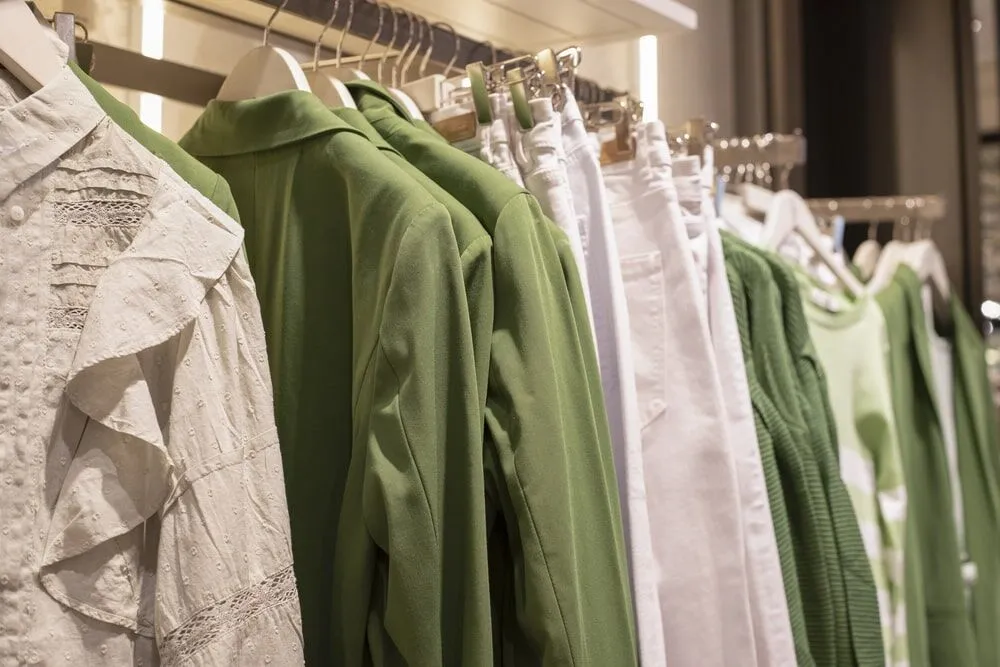
When the thermometer climbs into the upper nineties and ambient humidity threatens to turn an ordinary afternoon into an endurance test, what you wear ceases to be merely a matter of personal style. Clothing transforms into a thermal barrier between your core temperature and the surrounding environment. In extreme heat, garments can either trap an envelope of stagnant, superheated moisture against your skin or promote continuous airflow that allows your body’s natural cooling mechanisms to function uninhibited.
Yet finding truly breathable hot-weather clothing is surprisingly complicated. Retailers routinely plaster terms like “cooling,” “breathable,” and “ventilated” across synthetic gym wear, fast-fashion sundresses, and work shirts that feel like personal saunas the moment you step into the sun.
True breathability is governed by textile physics: fiber composition, yarn structure, weave porosity, and moisture dynamics. Understanding these variables reveals why certain fabrics deliver transformative comfort when temperatures spike, while others merely trap sweat beneath a designer label.
The Science of Breathability: Airflow Versus Moisture Management
Before evaluating specific textiles, it is critical to separate two concepts that apparel marketers frequently blur together: air permeability and moisture wicking.
Air permeability measures the ease with which air passes directly through a fabric’s warp and weft. High air permeability promotes convective cooling, replacing hot air trapped next to your skin with ambient air every time a breeze passes or you take a step.
Moisture wicking, by contrast, describes a fabric’s ability to pull liquid perspiration away from the skin via capillary action and transport it to the fabric’s outer surface for evaporation.
In extreme dry heat (such as an Arizona desert at 105 degrees Fahrenheit), air permeability is paramount because perspiration evaporates almost instantaneously; your primary goal is maximizing airflow and shielding skin from direct radiant heat. In extreme humid heat (like the Gulf Coast at 92 degrees Fahrenheit with 85% humidity), evaporative cooling stalls because the air is already saturated. In that swampy environment, a fabric must manage liquid sweat, resist clinging, and maintain enough structural stiffness to keep air channels open.
Linen: The Uncontested Champion of High-Temperature Airflow
If you could select only one textile to survive blistering heat, linen remains the undisputed king of natural breathability.
Derived from the cellulose fibers of the flax plant (Linum usitatissimum), linen has been prized across North Africa and the Mediterranean for thousands of years for one simple reason: it breathes better than virtually any other woven material on Earth.
Flax fibers are naturally thicker, stiffer, and longer than cotton fibers. Because flax yarns lack elasticity, mills cannot pack them as tightly into a loom without breaking them. As a result, classic linen fabric inherently possesses a low thread count and an open, porous weave. When held up to sunlight, a quality linen shirt resembles a miniature grid of micro-perforations through which air flows with virtually zero resistance.
Beyond pure air permeability, linen manages heat through unique physical traits:
-
Natural Rigidity and Anti-Cling Properties: Cotton and silk soften as they absorb moisture, eventually adhering to sweaty skin and suffocating your pores. Linen possesses exceptional tensile stiffness. Even when damp, it retains its three-dimensional shape, draping away from the torso and creating a chimney effect that vents warm air out through the collar and cuffs.
-
Rapid Moisture Absorption and Release: Flax fibers are hollow and naturally hygroscopic. Linen can absorb up to 20% of its dry weight in moisture before it even begins to feel damp to the touch, and it dries noticeably faster than standard cotton, constantly pulling latent heat away from the body during evaporation.
-
High Thermal Conductivity: Flax exhibits high heat conductivity compared to other natural staples, meaning it conducts heat away from the skin surface efficiently, imparting an immediate cool-to-the-touch hand feel.
The primary drawback of linen is its notorious tendency to wrinkle. However, in an informal or business-casual context, those organic creases are widely accepted as the badge of authentic, high-grade summer tailoring.
Lightweight Cotton and the Power of Specialized Weaves
Cotton is the most common warm-weather fabric in the world, but it carries a split personality. A heavy, tight-weave cotton oxford or twelve-ounce raw denim will turn unbearable in high temperatures, trapping moisture and turning heavy and soggy.
To excel in extreme heat, cotton must be engineered with specific weights—typically below 120 grams per square meter—and woven with techniques that artificially minimize surface contact with the skin.
Seersucker
Seersucker is the quintessential American warm-weather weave for a reason. Woven through a mechanical process known as slack-tension weaving, alternating warp threads are pulled taut while others are left loose. This structural imbalance produces permanent, wavy puckers running vertically down the fabric.
These raised puckers hold the vast majority of the garment slightly off the surface of your skin. By creating a physical micro-gap between the cloth and your body, seersucker facilitates continuous thermal dissipation and air circulation, preventing the clammy adhesion common to flat cotton weaves.
Cotton Voile and Lawn
Voile and lawn represent the pinnacle of sheer, lightweight cotton craftsmanship. Spun from combed, long-staple cotton yarns twisted tightly to resist fuzziness, these fabrics are woven in an ultra-fine, open plain weave. They are semi-translucent, remarkably soft, and weigh next to nothing, allowing air to penetrate while providing enough sun protection to prevent ultraviolet skin burns.
Madrases and Open Chambray
Originating in warm coastal regions, genuine Madras and loose-weave chambrays rely on loosely spun, low-density yarns. The generous gaps between the intersecting threads mimic the breathability of linen while retaining the softer, more yielding drape of traditional cotton.
The Surprising Contenders: Tencel, Silk, and Ultralight Merino
While linen and cotton dominate casual conversations about summer wardrobes, several alternative fibers deliver exceptional thermal regulation in demanding climates.
Lyocell (Tencel)
Lyocell, widely marketed under the brand name Tencel, is a semi-synthetic fiber derived from sustainably harvested eucalyptus wood pulp. Unlike petroleum-derived synthetics, Lyocell is composed of pure plant cellulose arranged into microscopic nanofibrils.
These hydrophilic nanofibrils absorb perspiration 50% more efficiently than standard cotton. Furthermore, Lyocell features an exceptionally smooth, uniform surface that feels silkier and colder against flushed skin than natural plant fibers. In humid conditions where sticky clothing causes severe chafing, a lightweight Lyocell blend drapes gracefully, dries quickly, and maintains a cool sensory profile.
Ultralight Merino Wool
Wearing wool in triple-digit heat sounds completely counterintuitive to most shoppers, who associate wool with chunky winter sweaters. However, ultralight merino wool (knit between 120 and 150 GSM) is one of nature’s most sophisticated thermoregulating systems.
Merino sheep endure temperature swings ranging from sub-zero winters to scorching summer highs exceeding 95 degrees Fahrenheit. The secret lies in the fiber’s interior cortex, which absorbs moisture in its vapor stage before it ever condenses into liquid droplets on your skin. Merino wool keeps the microclimate around your torso dry, preventing that clammy, overheated feeling.
Unlike cotton, which eventually smells sour when saturated with bacterial sweat, wool is naturally antimicrobial. An ultralight merino t-shirt can be worn through multiple scorching days of travel or light hiking without developing body odor, making it a favorite for minimalist travelers venturing into arid or tropical climates.
Natural Fibers Versus Technical Synthetics
One of the greatest debates in warm-weather apparel centers on natural plant fibers versus engineered athletic synthetics like polyester, nylon, and polypropylene.
Petroleum-based synthetic fabrics are fundamentally plastics. Plastic fibers do not absorb moisture internally; instead, moisture can only cling to the exterior surfaces of the yarn. Athletic apparel manufacturers treat these fibers with chemical surfactant finishes or engineer cross-shaped yarn profiles to pull liquid sweat outward along tiny capillary channels.
This mechanical wicking makes synthetics exceptional for high-intensity athletic performance, such as long-distance running, cycling, or intense sports, where you are generating gallons of sweat that would completely overwhelm and waterlog a linen shirt.
For passive or moderate everyday activities in extreme heat—such as commuting, office work, sightseeing, or dining outdoors—synthetics often fail miserably. Because standard polyesters have very low air permeability and low vapor absorption, they trap your body heat inside a humid bubble. Furthermore, polyester attracts oleophilic skin oils, causing synthetic shirts to trap permanent odors and feel hot, slick, and suffocating within hours. For general lifestyle wear, natural plant cellulose (linen, light cotton, hemp) easily outperforms synthetic athletic gear in overall thermal comfort.
Beyond the Fiber: Weave Density, Weight, and Garment Construction
Choosing the right raw fiber is only half the battle. If a manufacturer takes top-tier linen and weaves it into a dense, tightly packed twill, it will feel hot and heavy. To maximize your comfort in brutal conditions, evaluate three structural metrics before purchasing any hot-weather garment:
-
Fabric Weight (GSM): Always look for the weight rating if provided. For extreme heat, seek fabrics weighing between 90 and 130 grams per square meter (GSM), or roughly 2.5 to 3.8 ounces per square yard. Anything above 160 GSM will feel noticeably warm when the sun beats down.
-
The Daylight Porosity Test: If you are shopping in person, hold the garment up toward an overhead light source or a window. If you can see light filtering clearly through the grid of the weave, air can pass through just as easily. If the weave completely blocks the light, air will struggle to penetrate it, regardless of whether the tag says 100% cotton.
-
The Silhouette and Cut: Skin-tight garments defeat the purpose of breathable textiles. When fabric is stretched tightly against the body, there is no air layer to facilitate convective cooling, and sweat is immediately pressed directly into the fibers. A relaxed, slightly loose silhouette allows the fabric to billow gently as you walk, acting like a bellows that pulls fresh air in and pumps body heat out.
Investing in pure, open-weave linen, puckered cotton seersucker, or fluid Lyocell shifts your relationship with high temperatures. Instead of feeling suffocated by heavy, sweat-soaked textiles, you allow your body’s natural cooling mechanisms to do their job, proving that surviving extreme heat is less about shedding layers and more about choosing the right fibers to face the sun.

Comments are closed.