

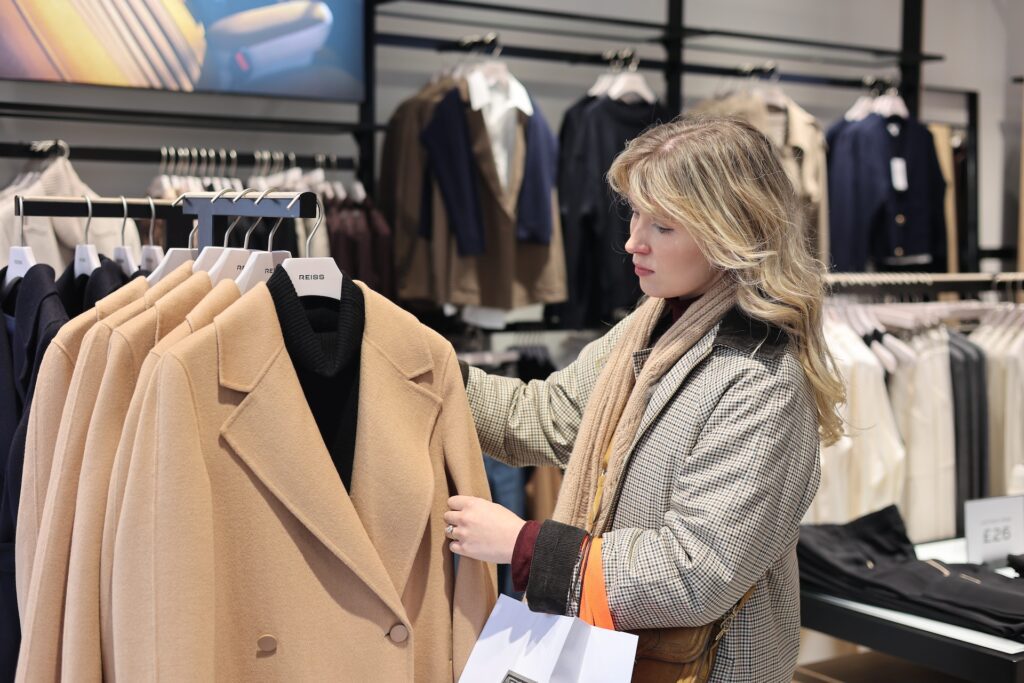
The sprawling outdoor shopping center off the interstate was once a treasure hunter’s paradise. Decades ago, visiting an outlet mall meant picking through genuine surplus: excess inventory from flagship department stores, discontinued seasonal lines, floor samples, and the occasional garment marked down for an uneven hem or missing button. You put up with cramped dressing rooms and disorganized racks because the reward was authentic retail merchandise sold at a fraction of its original price tag.
Today, that original outlet model is virtually extinct. If you walk into a brand-name outlet store in an outdoor lifestyle center, the odds are overwhelming that almost nothing on the shelves ever spent a single day in a flagship boutique. Instead, you are looking at merchandise designed, engineered, and manufactured specifically for the outlet environment.
Understanding how the modern outlet ecosystem works reveals whether that weekend shopping excursion is truly saving you money or simply selling you a downgraded product under an upscale banner.
The Shift from True Clearance to Made-for-Outlet Lines
The retail landscape began shifting dramatically in the late 1990s and accelerated through the 2000s. Brand houses realized that relying solely on factory irregulars and past-season overstock left shelves half-empty and revenues unpredictable. At the same time, consumer appetite for luxury labels at budget-friendly prices exploded.
To satisfy that demand without cannibalizing their full-price flagship boutiques, brands created dedicated made-for-outlet (MFO) manufacturing divisions. Today, industry estimates show that between 80% and 90% of inventory in typical apparel and accessories outlet stores is produced exclusively for those locations.
These items are manufactured to hit specific, lower price points from the initial sketch. Designers work backward from a target margin: if an outlet polo must retail for $35 rather than the mainline boutique’s $95, production teams systematically strip out production costs. The result is a garment that carries the familiar logo and silhouette, but none of the structural integrity or textile caliber of its full-price counterpart.
How Brands Cut Corners Behind the Seams
When manufacturing for an outlet tier, manufacturers rarely advertise their compromises. Yet those compromises appear across nearly every product category if you inspect the physical goods closely.
Textile Weight and Fiber Composition
Fabric represents the single largest variable cost in apparel production. Flagship lines frequently use natural fibers with longer staple lengths, such as Egyptian cotton, grade-A cashmere, or extra-fine merino wool. These materials offer superior durability, resist pilling, and maintain their shape after repeated washings.
Outlet equivalents frequently swap premium natural fibers for synthetic blends or lower-grade staples. A sweater that is 100% two-ply cashmere in a flagship store often becomes a single-ply cashmere blended with nylon, acrylic, or modal at the outlet. Cotton t-shirts and button-downs use shorter, coarser cotton fibers that feel stiff initially and thin out quickly, or they incorporate higher percentages of polyester to reduce raw material costs.
Construction Details and Stitch Density
A garment’s longevity depends heavily on how it is assembled. In premium tailoring and casual wear, manufacturers rely on higher stitch counts per inch, reinforced stress points, and clean interior finishing such as bound seams or French seams.
Outlet garments cut production time on the assembly line. Stitch density is noticeably lower, which weakens seams under tension. Instead of finished internal seams, you will frequently find raw serged edges that fray after a few cycles in the washing machine. Seam allowances are kept to an absolute minimum to shave square inches of yardage off every bolt of fabric, making alterations impossible and increasing the likelihood of seam slippage.
Hardware, Trimmings, and Linings
Hardware is an immediate giveaway when evaluating garment or handbag quality. Full-price retail goods generally feature solid brass or antiqued alloy zippers from reputable suppliers like YKK or Riri, horn or mother-of-pearl buttons, and durable jacquard or cotton canvas linings.
Outlet versions routinely substitute stamped pot-metal or lightweight plastic zippers that stick and break easily. Buttons are made from cheap resin, sewn on with minimal thread wrapping, and jackets often feature synthetic polyester linings that trap heat, generate static, and tear at the armholes after light use.
In leather goods, the differences are even more pronounced. While a boutique bag may use full-grain or top-grain vegetable-tanned leather that develops a rich patina, the outlet counterpart frequently utilizes split leather coated with a heavy layer of polyurethane, or bonded leather made from reconstituted scrap fibers. The bag looks polished under store spotlights, but it will peel and crack instead of aging gracefully.
The Mark on the Tag: Decoding Outlet-Exclusive Labels
Because clothing companies faced lawsuits over deceptive pricing practices, many brands now include subtle identifiers on their tags to distinguish outlet lines from retail merchandise. If you know what to look for, you can immediately tell whether an item was born in an outlet factory:
-
Banana Republic Factory and Gap Factory: Look at the main brand label sewn into the collar or waistband. If you see three small diamonds printed or embroidered directly beneath the brand name, the item was made specifically for the factory store.
-
J.Crew Factory: Modern J.Crew outlet items feature two small dots or diamonds beneath the J.Crew name on the cloth label.
-
Coach Outlet: Look at the leather creed patch inside the bag or the serial number tag. Historically, bags with an F in the serial number prefix denoted a factory production run. Contemporary items often feature a distinct style code sequence or simplified hardware lacking the signature engravings found on boutique collections.
-
Brooks Brothers: Items bearing the 346 label are made specifically for the outlet chain, differing significantly from the mainline 1818 collection or Golden Fleece lines in fabric sourcing and tailoring methods.
-
Nordstrom Rack: While Nordstrom Rack still carries genuine clearance from full-line department stores, a significant portion of its inventory is purchased specifically for the Rack. Full-line transfer items typically feature handwritten adjustments, red clearance tags, or original designer tags, whereas store-line goods carry uniform tags printed directly for the off-price store.
The Psychological Trap of “Compare At” Pricing
The allure of the outlet store relies heavily on a cognitive bias known as price anchoring. When you see an item with a price tag displaying a struck-through MSRP of $120 paired with an Outlet Price of $49.99, your brain immediately registers an apparent $70 saving.
In reality, that garment was likely never intended to sell for $120 anywhere. It was designed from inception to be profitable at $49.99—or even at an additional 40% discount during a holiday weekend promotion. The higher reference price is largely fictional, established solely to create an artificial sense of value and urgency.
This psychological leverage is compounded by geography. Developers intentionally position outlet centers 30 to 50 miles away from major metropolitan cores. The journey requires an investment of driving time, highway tolls, and gasoline. When shoppers travel an hour to reach a destination, the sunk cost fallacy kicks in: leaving empty-handed feels like a waste of the trip. Consumers become far more forgiving of mediocre fit, thin fabrics, and impulse purchases simply to justify the effort of getting there.
When Is an Outlet Purchase Actually Worth It?
Recognizing that outlet merchandise is manufactured differently does not mean you should never shop at an outlet mall. It simply requires adjusting your expectations and changing your buying criteria.
First, identify items where lower-tier construction has minimal practical impact. If you need basic gym shorts, casual loungewear, cotton canvas totes, or children’s clothing that will be outgrown in six months, an outlet purchase often provides acceptable utility for the dollar.
Second, certain categories within outlet centers still offer substantial genuine value:
-
High-End Cookware and Kitchen Goods: Retailers like Le Creuset and All-Clad maintain outlet presences that genuinely sell factory seconds. A cast-iron Dutch oven with a minor cosmetic glaze imperfection or an All-Clad skillet with a faint exterior scratch performs identically to a pristine version sold in an upscale culinary boutique, often at 40% to 50% off.
-
True Clearance Racks: Most outlet stores maintain a clearance section tucked into the back corners. This is where actual boutique returns, customer mail-backs, and genuine out-of-season retail transfers end up when flagship stores need to clear warehouse space. If an item has an altered tag, a solitary size run, or an original retail price sticker with multiple clearance markdowns layered on top, you may have found true boutique-grade stock.
-
Athletic Footwear: Major sneaker manufacturers often use their outlet locations to clear surplus colorways and past iterations of performance shoes. As long as you verify that the model number matches the brand’s technical running or training line rather than a budget lifestyle exclusive, the cushioning and construction are usually authentic.
A Practical Strategy for Shopping Outlets
To protect your wallet, approach outlet shopping with a tactile, critical eye rather than brand loyalty.
Never buy an item purely because of the logo on the chest or the size of the discount listed on the signage. Ignore the percentage-off banners hanging in the windows. Instead, hold the fabric up to the light to check weave density. Pull gently on the seams to see if the stitching separates. Check the fiber content label on the inner side seam to confirm whether you are paying for natural fibers or cheap petroleum-based synthetics.
Ask yourself a straightforward question: If this plain garment had no designer label attached and was hanging on an unbranded rack for this price, would I still buy it based solely on how it feels and fits?
If the answer is no, put it back. The lowest price in the world is still a poor deal if the garment loses its shape after three washes and ends up in a landfill before the season ends.
