

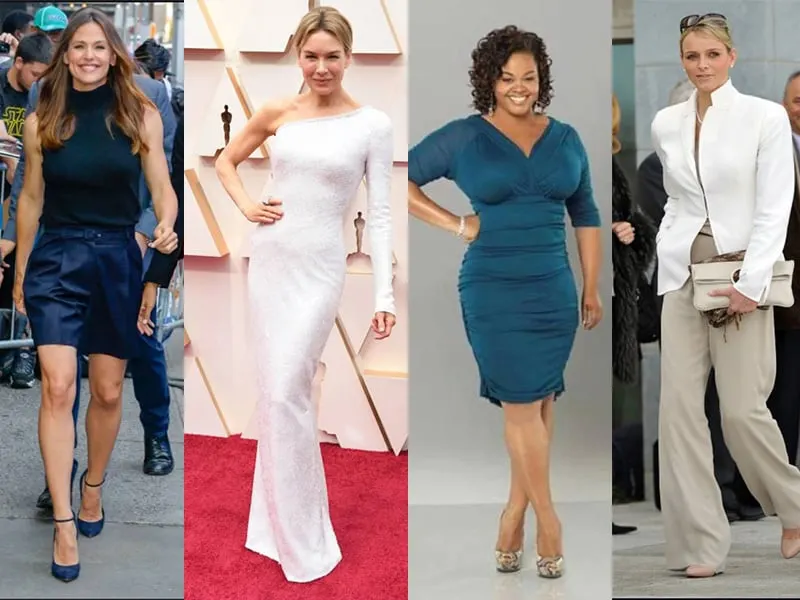
Dressing well isn’t about changing your body—it’s about understanding proportions and choosing clothes that highlight your natural balance. When you know what works for your shape, getting dressed becomes easier, faster, and far more confidence-boosting. This guide breaks down how to identify your body shape and select clothing that complements it beautifully.
Why Body Shape Matters in Styling
Every body is unique, but most silhouettes fall into a few general categories. Recognizing yours helps you:
- Create visual balance
- Highlight your favorite features
- Avoid constant tailoring or returns
- Build a wardrobe that actually works
The goal is not to follow rigid rules, but to use them as a starting point for smarter choices.
Identifying Your Body Shape
You can determine your body shape by comparing shoulder, bust, waist, and hip measurements.
- Hourglass: Balanced shoulders and hips with a defined waist
- Pear: Hips wider than shoulders
- Apple: Fuller midsection with slimmer legs
- Rectangle: Bust, waist, and hips are similar in width
- Inverted Triangle: Broad shoulders with narrower hips
Once you know your shape, styling becomes far more intuitive.
Dressing for an Hourglass Shape
Hourglass figures benefit from clothing that emphasizes the waist.
- Wrap dresses and fitted tops
- High-waisted skirts and trousers
- Belted coats and dresses
Avoid overly boxy silhouettes that hide natural curves.
Dressing for a Pear Shape
The key is balancing the lower body by drawing attention upward.
- Structured or embellished tops
- A-line skirts and wide-leg pants
- Jackets that hit above the hips
Darker colors on the bottom paired with lighter or textured tops work especially well.
Dressing for an Apple Shape
Apple shapes look best when the focus shifts away from the midsection.
- V-neck or scoop-neck tops
- Empire waist and flowy silhouettes
- Straight or slim-leg pants to showcase legs
Avoid overly tight fabrics around the waist and heavy embellishments at the midsection.
Dressing for a Rectangle Shape
Creating curves is the main styling goal.
- Belted dresses and tops
- Layered outfits with texture
- Peplum tops and flared skirts
Mixing fabrics and adding structure helps break up straight lines.
Dressing for an Inverted Triangle Shape
Balance broader shoulders by adding volume below the waist.
- A-line skirts and wide-leg pants
- Softer, simpler tops
- V-necks instead of boat or high necklines
Avoid shoulder pads or heavy upper-body embellishments.
Universal Styling Tips That Flatter Every Shape
Some principles work across all body types:
- Proper fit matters more than size labels
- Tailoring can transform inexpensive clothing
- Vertical lines create a lengthening effect
- Confidence is the most flattering element of any outfit
When clothes fit well and feel good, they naturally look better.
Building a Wardrobe Around Your Shape
Instead of buying trends blindly, focus on:
- Core silhouettes that always flatter you
- Neutral basics in your best cuts
- Statement pieces that enhance balance
This approach saves time, money, and frustration while creating a cohesive personal style.
FAQs
Can my body shape change over time?
Yes. Weight fluctuations, aging, and lifestyle changes can subtly shift proportions, so it’s helpful to reassess occasionally.
Should I avoid trends that don’t suit my body shape?
Not necessarily. Adapt trends by choosing versions that align with your proportions and comfort level.
Does body shape matter more than height?
Both matter, but body shape usually has a greater impact on how clothes sit and flow.
Can tailoring really make a difference?
Absolutely. Small alterations can dramatically improve fit and overall appearance.
Are certain fabrics better for specific body shapes?
Yes. Structured fabrics add shape, while drapey fabrics soften areas—choosing wisely enhances balance.
How do I dress for my body shape while still expressing my style?
Use body-shape guidelines as a foundation, then personalize with colors, accessories, and details you love.
Is it okay to break body-shape “rules”?
Of course. Rules are tools, not restrictions. If you feel confident and comfortable, that’s what matters most.
Understanding your body shape empowers you to dress with clarity and confidence. When your clothes work with your proportions instead of against them, style stops feeling complicated and starts feeling natural.

Comments are closed.