

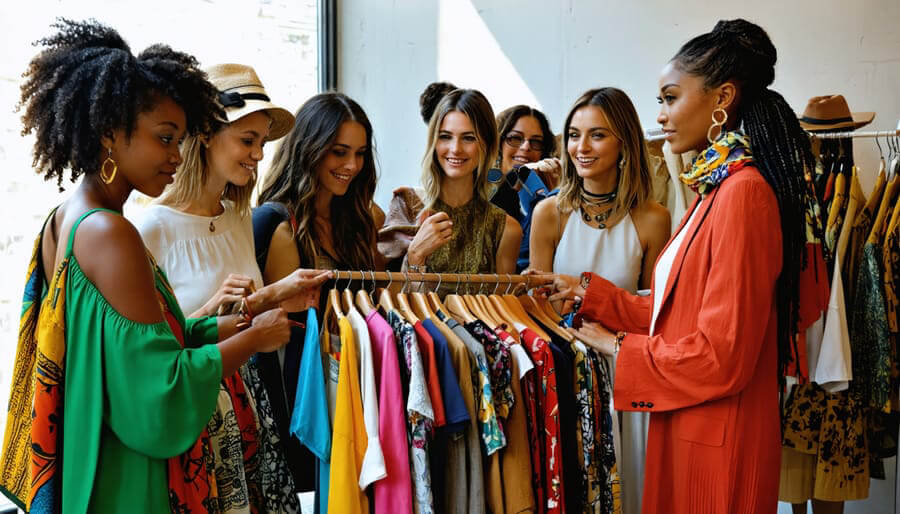
Fashion is evolving beyond trends and seasons. Today, sustainable fashion is shaping the future of style by blending aesthetics with responsibility. As consumers become more aware of environmental and ethical issues, the industry is shifting toward practices that respect both people and the planet—without sacrificing creativity or self-expression.
What Is Sustainable Fashion?
Sustainable fashion refers to clothing, accessories, and footwear designed, produced, and consumed in ways that minimize environmental impact and promote ethical practices.
It focuses on:
- Reducing waste and pollution
- Using eco-friendly or recycled materials
- Ensuring fair labor conditions
- Encouraging long-term use over fast consumption
Rather than disposable trends, sustainability prioritizes quality, longevity, and mindful choices.
Why Sustainable Fashion Matters
The fashion industry is one of the world’s largest contributors to pollution and waste. Sustainable alternatives aim to reduce this impact while redefining what modern style looks like.
Key reasons it matters:
- Lower carbon and water footprints
- Less textile waste in landfills
- Improved working conditions for garment workers
- Greater transparency in production
Choosing sustainable fashion is not about perfection—it’s about progress.
Key Elements of Sustainable Fashion
Eco-Friendly Materials
Materials play a major role in sustainability.
- Organic cotton and linen
- Hemp and bamboo blends
- Recycled polyester and nylon
- Innovative plant-based or lab-developed fabrics
These materials reduce chemical use, conserve water, and extend resource life cycles.
Ethical Production
Sustainability also includes how clothes are made.
- Fair wages and safe working environments
- Transparent supply chains
- Reduced overproduction
Ethical fashion values people as much as products.
Timeless Design Over Fast Trends
Fast fashion thrives on speed and disposability. Sustainable fashion takes the opposite approach.
- Classic silhouettes
- Neutral or versatile colors
- Durable construction
Timeless design encourages repeated wear and personal styling over constant replacement.
How Sustainable Fashion Is Shaping the Industry
The industry is undergoing a noticeable transformation.
- Brands are launching eco-conscious collections
- Designers are experimenting with waste-reducing techniques
- Consumers are embracing resale, rental, and repair
Sustainability is no longer niche—it’s becoming a core expectation.
Building a Sustainable Wardrobe
You don’t need to overhaul your closet overnight. Small, intentional steps make a real difference.
- Buy fewer, better-quality pieces
- Choose versatile items you can style multiple ways
- Support brands that value transparency
- Care for your clothes to extend their lifespan
Even rewearing and restyling what you already own is a powerful sustainable act.
The Role of Consumers in the Future of Fashion
Consumers drive change through their choices.
- Asking where and how clothes are made
- Prioritizing durability over impulse buys
- Supporting ethical and eco-conscious brands
As demand shifts, the industry follows. Sustainable fashion grows stronger with every informed decision.
Why Sustainability and Style Can Coexist
Sustainable fashion proves that responsibility doesn’t limit creativity—it enhances it.
- Thoughtful design often feels more personal
- Quality fabrics look and feel better
- Style becomes intentional rather than excessive
The future of fashion is not about having more, but about choosing better.
FAQs
Is sustainable fashion always more expensive?
Not necessarily. While some pieces cost more upfront, they often last longer and reduce the need for frequent replacements.
Can sustainable fashion still be trendy?
Yes. Many sustainable brands create modern, stylish designs that align with current aesthetics while remaining responsible.
How can I tell if a brand is truly sustainable?
Look for transparency, clear information about materials and production, and avoidance of vague “greenwashing” claims.
Does second-hand shopping count as sustainable fashion?
Absolutely. Thrifting, resale, and clothing swaps extend the life of garments and reduce waste.
What is slow fashion?
Slow fashion emphasizes quality, ethical production, and mindful consumption rather than rapid trend cycles.
How does sustainable fashion help workers?
It supports fair wages, safer working conditions, and more stable employment across the supply chain.
Is sustainable fashion just a trend?
No. It reflects a long-term shift in consumer values and industry responsibility that will continue to grow.
Sustainable fashion represents more than a movement—it’s a mindset. As style and responsibility intersect, the future of fashion becomes more thoughtful, expressive, and enduring.

Comments are closed.